
On-Grid solar
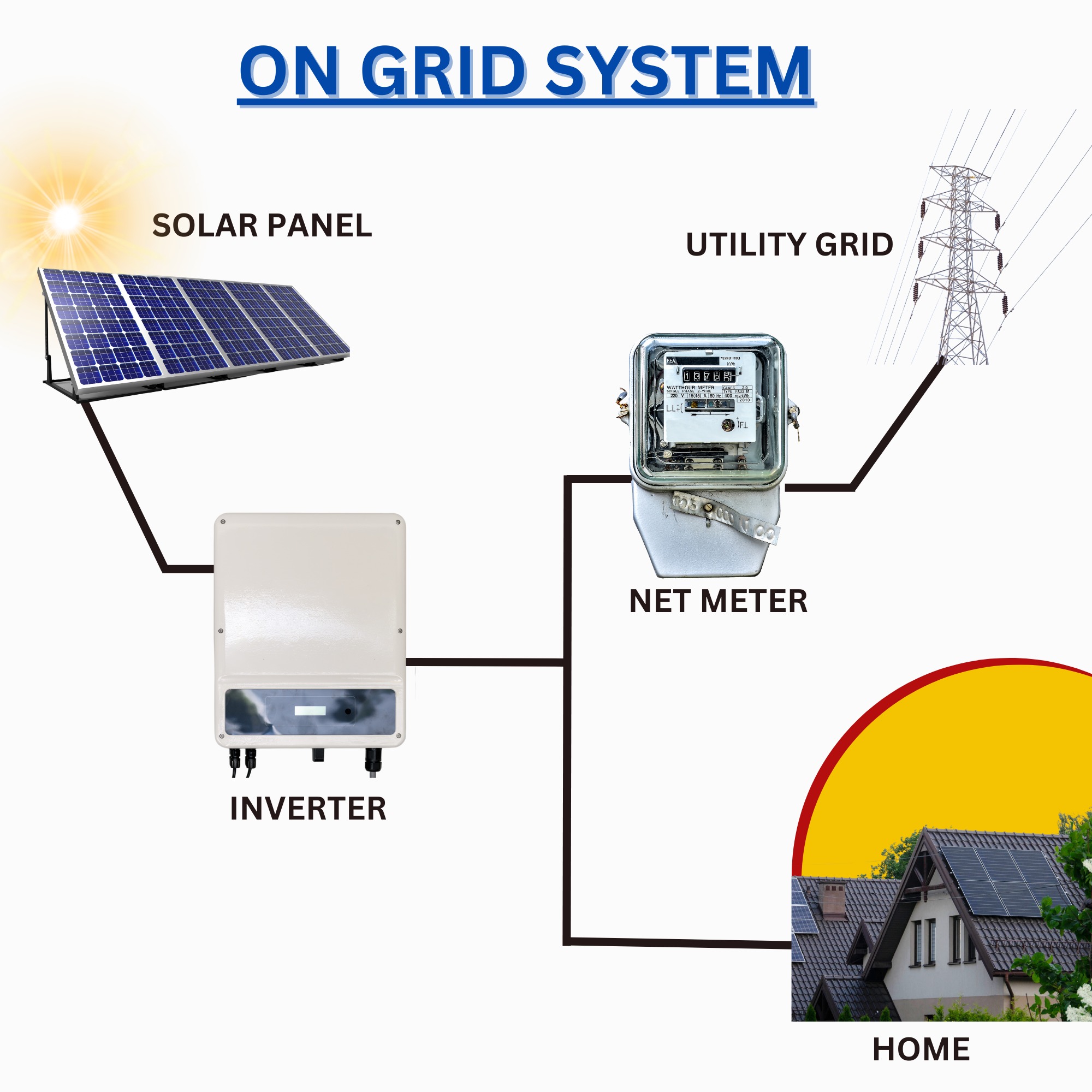
What is an On-Grid Solar Power System?
An On-Grid Solar Power System, also known as a grid-tied or grid-connected system, is a solar energy system that is connected to the public electricity grid. This type of system allows you to generate electricity from the sun while still remaining connected to your local power utility for backup power when your solar production isn’t enough to meet your needs.
How Does It Work?
When the sun shines, your solar panels generate electricity. This electricity is used to power your home or business. If your system generates more electricity than you need, the excess energy is fed back into the grid. In return, you may receive credits from your utility company through a process called net metering.
Off-Grid solar
What is an Off-Grid Solar Power System?
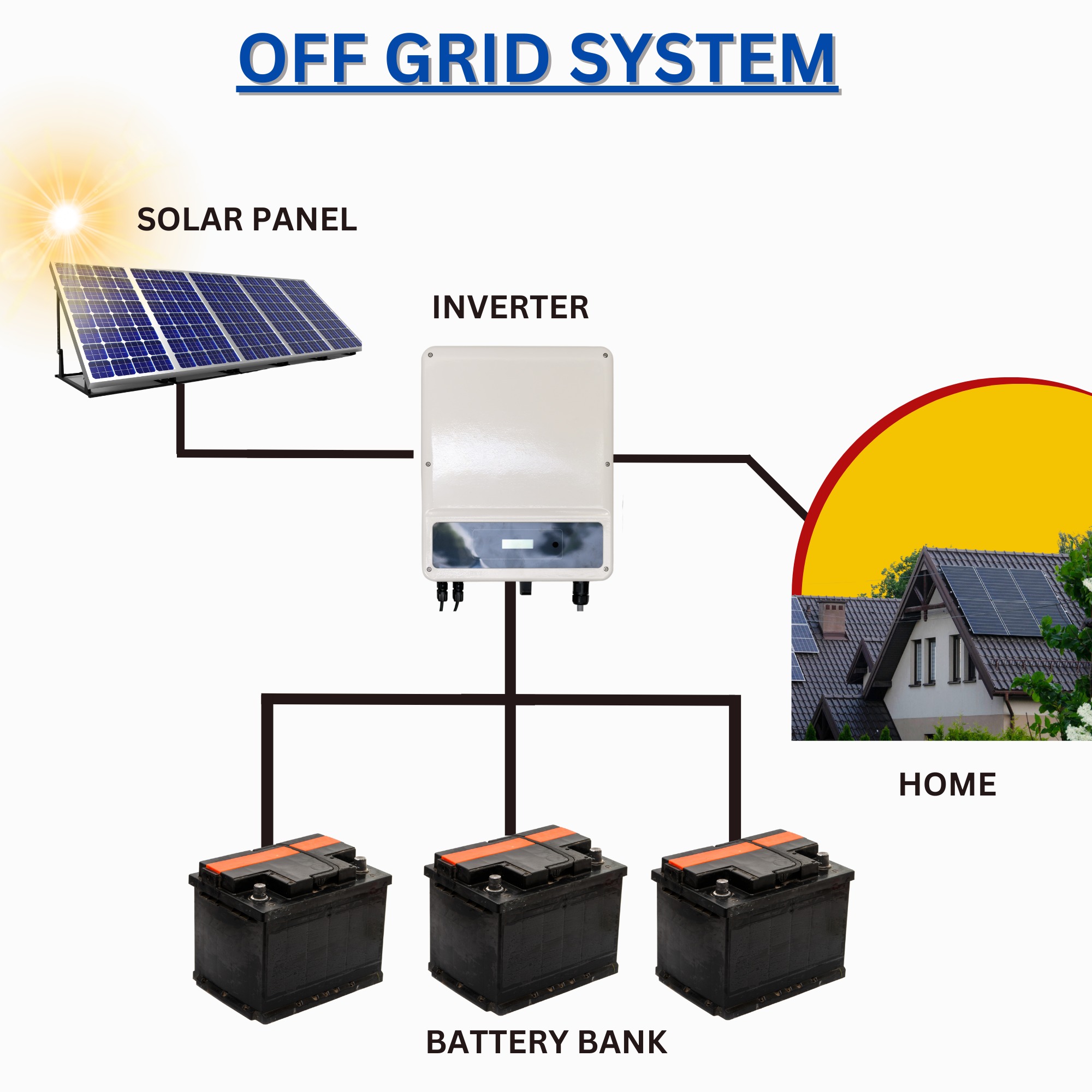
An Off-Grid Solar Power System is a solar energy system that operates independently of the public electricity grid. It is ideal for locations where access to grid power is limited or unavailable, or for those who prefer complete energy independence. With this system, you generate, store, and use solar power without needing to rely on utility companies for electricity.
How Does It Work?
Since an off-grid system is completely independent of the grid, it requires a well-sized battery bank and solar panels to meet your energy needs around the clock. The system typically includes:
- Solar Panels: Capture sunlight and convert it into electricity.
- Charge Controller: Regulates the amount of electricity flowing into the battery to prevent overcharging.
- Battery Storage: Stores the electricity for use during non-sunny hours.
- Inverter: Converts the DC power stored in the batteries into AC power used by your home appliances.
Capex Solar Projects
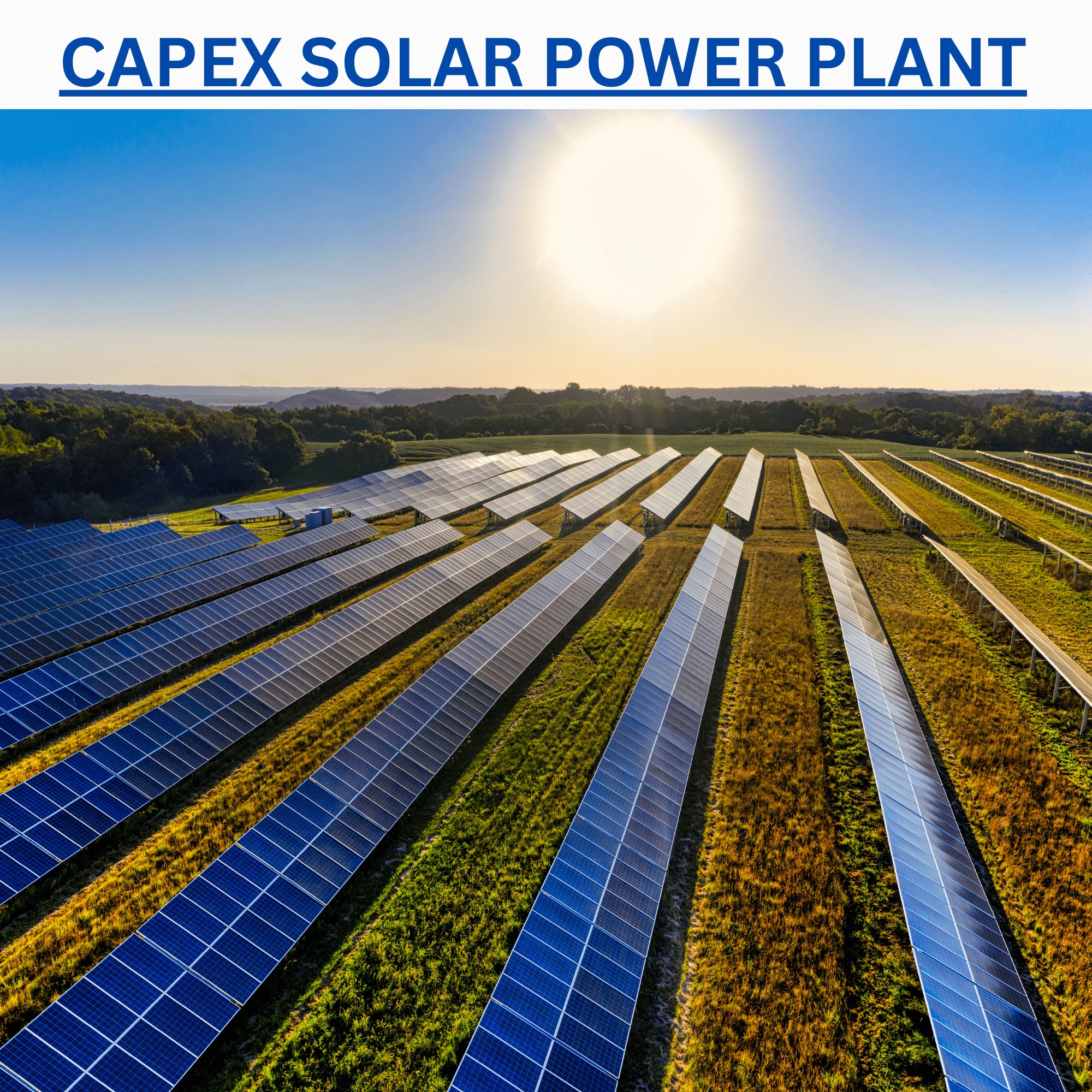
What is a Capex Solar Project?
A Capex (Capital Expenditure) Solar Project refers to an investment in a solar power system where the costs for purchasing and installing the system are covered upfront. This type of project is typically chosen by businesses, industrial facilities, and large-scale residential properties that have the financial resources to make an initial capital investment in renewable energy infrastructure.
How Does a Capex Solar Project Work?
-
Initial Investment: The owner of the project (typically a business or property owner) makes a significant upfront investment to purchase and install the solar panels, inverters, batteries (if applicable), and other necessary components of the system.
-
Energy Generation: Once the system is installed, the solar panels begin generating electricity from the sun. The energy produced can be used to offset the property’s electricity demand, reducing the need to buy power from the utility grid.
-
Energy Savings: By generating their own electricity, the project owner reduces their reliance on grid power, leading to significant savings on monthly electricity bills. Over time, these savings can make up for the initial capital expenditure.
Opex Solar Projects
What is an OPEX Solar Project?
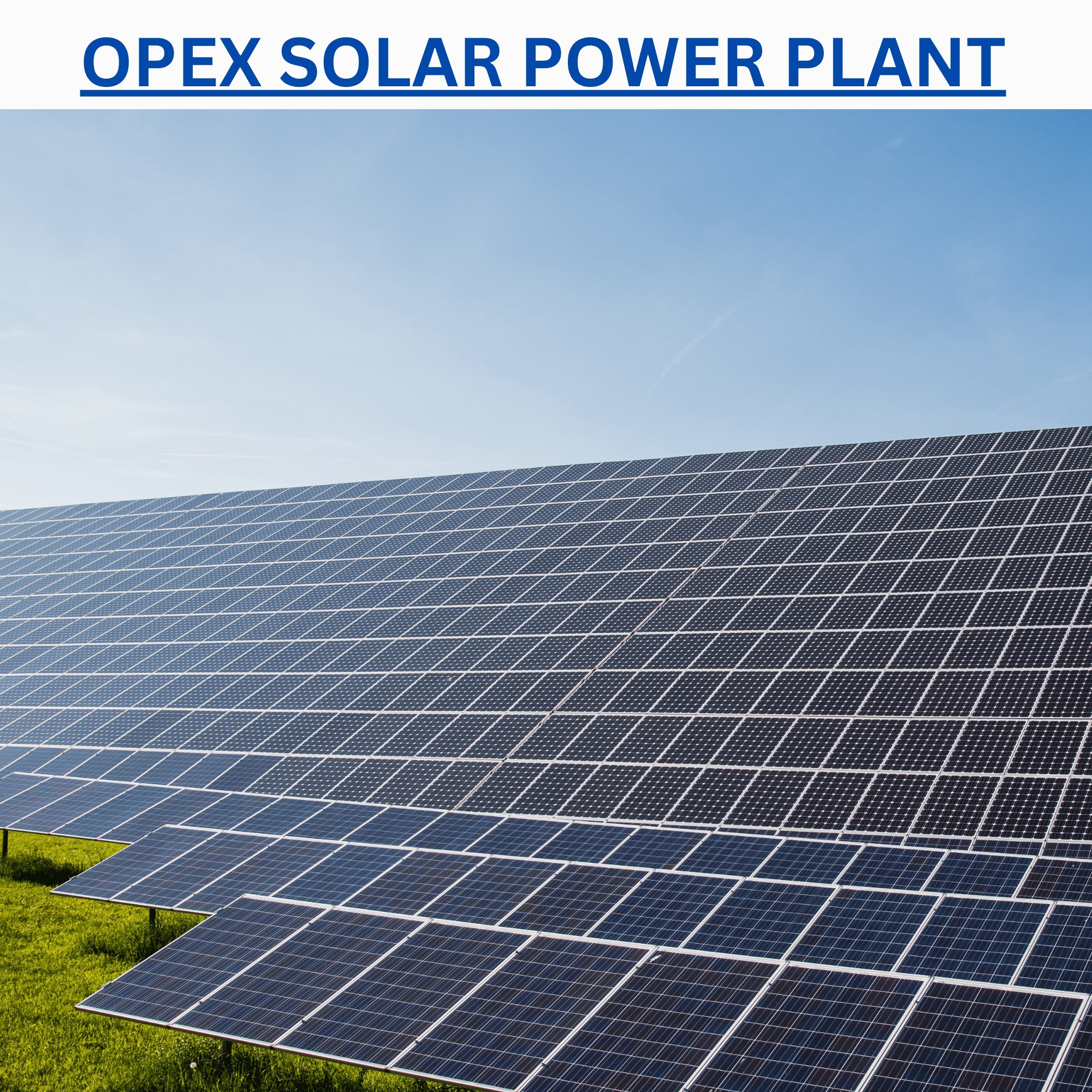
An OPEX (Operational Expenditure) Solar Project is a type of solar energy solution where the costs associated with installing and operating the solar system are covered by the business or property owner over time through an operational expenditure model, rather than a large upfront capital investment.
How Does an OPEX Solar Project Work?
-
No Upfront Capital Investment: With an OPEX solar project, there is no significant upfront cost for purchasing and installing solar panels. Instead, a third-party provider or installer finances the system, and the property owner .
-
Fixed or Variable Payments: Depending on the agreement (like a Power Purchase Agreement or Solar Lease), the property owner will pay either a fixed amount or a variable amount based on the solar energy produced.
-
Energy Generation and Usage: The solar system generates electricity from sunlight, which is then used to power the property.
Solar Lightning Projects
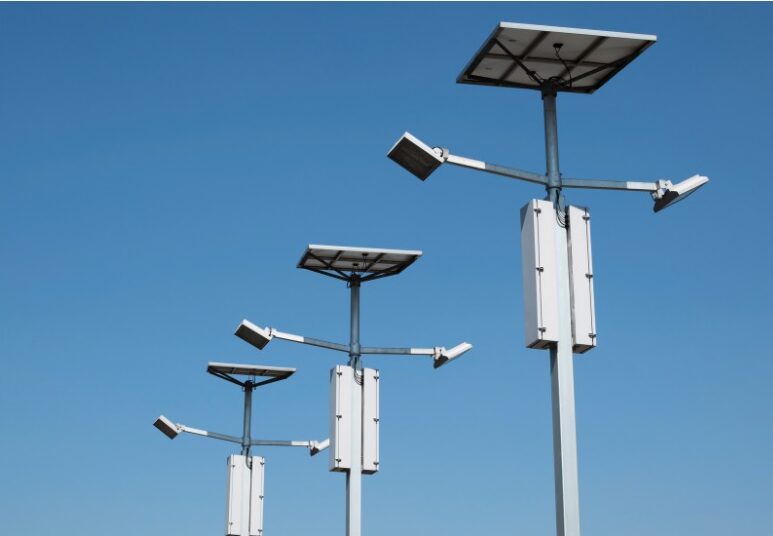
What are Solar Lighting Projects?
Solar lighting projects involve the installation of lighting systems powered by solar energy. These systems use solar panels to harness the power of the sun, converting it into electricity to power lights. Solar lighting is an eco-friendly and cost-effective solution for outdoor and indoor lighting needs, especially in areas where electricity is unavailable, unreliable, or expensive.
How Do Solar Lighting Systems Work?
-
Solar Panels: Solar panels collect sunlight during the day and convert it into electrical energy. These panels are typically mounted on poles or rooftops to capture maximum sunlight exposure.
-
Energy Storage (Battery): The electricity generated by the solar panels is stored in a battery for later use. The battery ensures that the lights can operate at night or during cloudy days when the solar panels aren’t generating power.