
CapEx Solar Projects
This could refer to a shift away from traditional CapEx financing models for solar projects. In a CapEx model, the upfront capital expenditure is required to purchase and install solar equipment, with the expectation of long-term returns through energy savings or revenue from selling electricity.
Deprecation in this context might indicate a move towards other financing models like leasing (OpEx model) or power purchase agreements (PPAs), where the initial capital investment burden is shifted to third-party investors or service providers.
In summary, the deprecation of CapEx solar projects likely reflects broader changes within the renewable energy industry, driven by economic, technological, regulatory, market, and environmental factors.
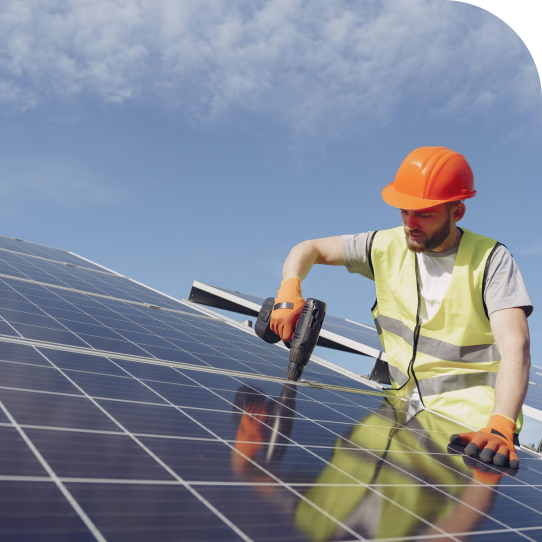
- Economic Factors: Changes in the cost of capital, interest rates, or overall economic conditions could make traditional capital expenditure solar projects less attractive compared to alternative financing models.
- Technological Advances: Advancements in solar technology, such as improvements in efficiency or reductions in cost, may make alternative solar project financing models (like leasing or power purchase agreements) more appealing than traditional capital expenditure projects.
- Policy and Regulatory Changes: Changes in government incentives or regulations related to renewable energy projects could impact the financial viability of capital expenditure solar projects.
- Market Dynamics: Shifts in market demand, competition from other renewable energy sources, or changes in electricity pricing could influence the decision to deprecate capital expenditure solar projects in favor of other types of renewable energy investments.
- Environmental Considerations: Increasing focus on sustainability and carbon reduction goals may encourage companies to explore different solar project models that align more closely with environmental objectives.